

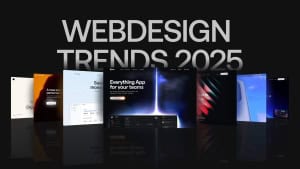
Australia’s digital landscape is evolving at breakneck speed, with 2025 bringing revolutionary changes to how websites are designed, developed, and experienced. The latest web design trends encompass AI integration, AR experiences, 3D visuals, and eco-friendly design approaches that are transforming user expectations across all industries.
Australian businesses are increasingly recognising that their websites must do more than simply exist online – they need to create memorable experiences that convert visitors into customers. This shift has driven innovation in user interface design, functionality integration, and performance optimisation that sets new standards for digital presence.
Understanding and implementing these trends isn’t just about staying current; it’s about gaining competitive advantages that drive real business results. This comprehensive guide explores the most impactful web design trends shaping Australia’s digital future in 2025.
AI-Powered Personalisation and User Experience
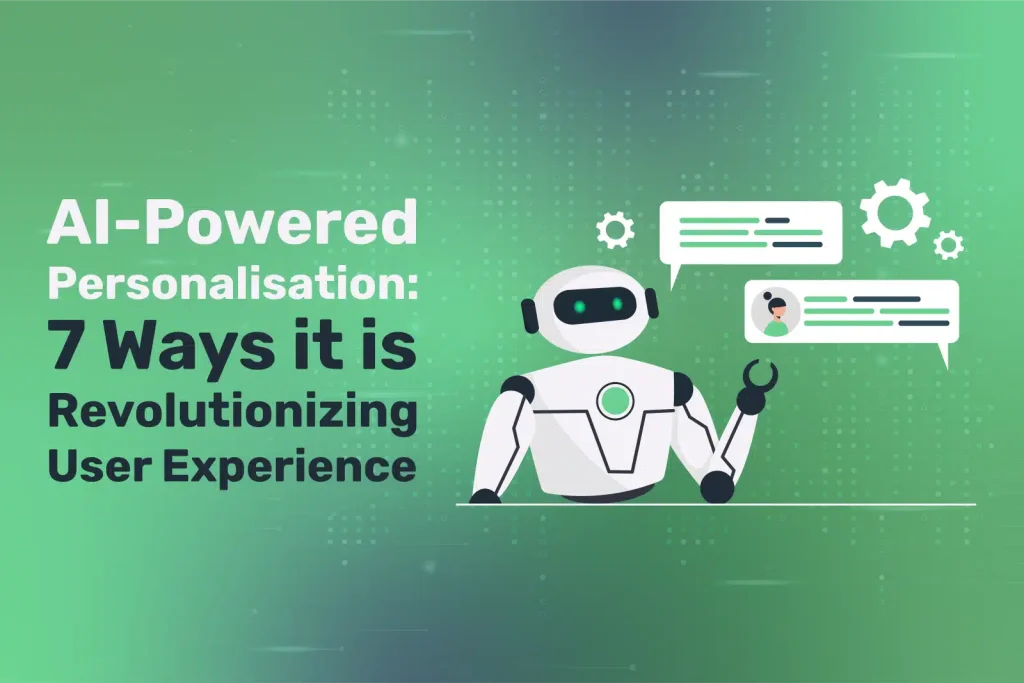
Artificial intelligence has moved from experimental technology to essential tool in modern web design. Australian websites are leveraging AI to create personalised experiences that adapt to individual user preferences, behaviour patterns, and interaction history.
Dynamic content personalisation allows websites to automatically adjust messaging, product recommendations, and navigation paths based on user data. This technology analyses visitor behaviour in real-time, presenting the most relevant content to increase engagement and conversion rates.
Chatbots and AI assistants have evolved beyond simple question-answering tools to become sophisticated customer service representatives. Modern implementations can handle complex enquiries, process transactions, and provide personalised recommendations while maintaining natural conversation flows that feel genuinely helpful rather than robotic.
AI-driven personalisation and data visualisation are becoming standard expectations rather than premium features. Australian businesses implementing these technologies report significant improvements in user engagement, time on site, and conversion rates across diverse industry sectors.
Predictive analytics integration helps websites anticipate user needs before they’re explicitly stated. This proactive approach enhances user satisfaction while reducing friction in customer journey pathways that might otherwise result in abandonment.
Key AI Implementation Strategies:
- Personalised product or service recommendations based on browsing history
- Dynamic content adaptation for different user segments
- Automated customer support with seamless human handoff capabilities
- Predictive search functionality that anticipates user queries
- Intelligent form completion that reduces user input requirements
- Behavioural analysis for continuous UX improvement
Immersive Technologies: AR and VR Integration
Augmented reality and virtual reality technologies are transitioning from novelty features to practical business tools that solve real problems for Australian companies and their customers.
AR product visualisation allows customers to see how products will look in their actual environments before making purchase decisions. Furniture retailers, home improvement companies, and fashion brands are particularly benefiting from this technology’s ability to reduce return rates while increasing customer confidence.
Virtual showrooms and property tours have become essential tools for Australian real estate, automotive, and retail industries. These immersive experiences allow customers to explore spaces and products remotely while maintaining the detailed inspection capabilities traditionally requiring in-person visits.
WebXR technology makes these immersive experiences accessible through standard web browsers without requiring special applications or downloads. This accessibility breakthrough means Australian businesses can implement AR and VR features that reach broader audiences while maintaining seamless user experiences.
Interactive 3D models provide engaging ways to showcase complex products or services that benefit from detailed exploration. Engineering firms, architectural practices, and manufacturing companies use these tools to communicate intricate details that static images cannot effectively convey.
Sustainable and Eco-Friendly Design Practices
Environmental consciousness is driving significant changes in web design philosophy, with Australian businesses increasingly prioritising sustainable digital practices that reduce environmental impact while improving performance.
Green hosting solutions powered by renewable energy sources are becoming standard choices for environmentally conscious Australian businesses. These hosting options often provide superior performance while supporting sustainability goals that resonate with environmentally aware customers.
Optimised code and efficient resource usage reduce server load and energy consumption while improving website speed and user experience. This dual benefit makes sustainable development practices attractive from both environmental and business performance perspectives.
Eco-friendly and sustainable design practices extend beyond hosting choices to include minimalist design approaches that reduce data transfer requirements. Clean, streamlined designs often perform better while consuming fewer resources throughout the user experience.
Carbon footprint tracking tools help Australian businesses understand and optimise their websites’ environmental impact. These measurements guide design decisions that balance functionality with sustainability goals.
Sustainable Web Design Elements:
- Minimalist design approaches that reduce resource consumption
- Optimised image compression and efficient file formats
- Clean, semantic code that improves loading speed
- Renewable energy hosting solutions
- Reduced animation and effect usage where appropriate
- Strategic colour choices that consume less device battery power
Advanced Typography and Visual Hierarchy
Typography trends in 2025 emphasise readability, accessibility, and brand differentiation through creative yet functional font choices and layout approaches.
Variable fonts provide flexibility in weight, width, and style without requiring multiple font file downloads. This technology improves loading speeds while offering designers greater creative control over text presentation across different devices and screen sizes.
Custom typography solutions help Australian brands establish unique visual identities that differentiate them from competitors using standard web fonts. These bespoke typefaces create memorable brand experiences while maintaining excellent readability across all devices.
Improved accessibility standards drive typography choices that work effectively for users with visual impairments, reading difficulties, or other accessibility needs. Compliance with WCAG guidelines ensures websites serve broader audiences while often improving overall user experience.
Dynamic typography systems adapt text size, spacing, and layout based on device capabilities, user preferences, and content context. This responsive approach ensures optimal readability regardless of how users access website content.
Interactive Animations and Micro-Interactions
Well-designed animations and micro-interactions guide user attention, provide feedback, and create engaging experiences that encourage deeper website exploration and interaction.
Purposeful animations serve specific functions rather than existing purely for visual appeal. Loading animations, transition effects, and hover responses help users understand interface behaviour while making interactions feel smooth and responsive.
Parallax scrolling effects create depth and visual interest when implemented thoughtfully. Modern parallax designs prioritise performance and accessibility while creating immersive experiences that showcase content effectively.
Micro-interactions provide immediate feedback for user actions, confirming successful form submissions, button presses, and navigation choices. These subtle details significantly impact perceived website quality and user satisfaction.
Performance-optimised animations ensure smooth experiences across all devices and connection speeds. Australian web developers are prioritising CSS animations and efficient JavaScript implementations that maintain functionality without compromising loading times.
Effective Animation Guidelines:
- Purpose-driven animations that enhance rather than distract from content
- Performance testing across various devices and connection speeds
- Accessibility considerations for users with motion sensitivity
- Subtle feedback systems that confirm user actions
- Loading animations that manage user expectations during wait times
- Smooth transitions between pages and interface states
Mobile-First and Progressive Web App Development
Australia’s mobile-first internet usage patterns continue driving design decisions that prioritise smartphone and tablet experiences while ensuring desktop functionality remains excellent.
Progressive Web App (PWA) technology bridges the gap between websites and native mobile applications, offering app-like functionality through web browsers. Australian businesses implementing PWAs report improved user engagement and reduced development costs compared to maintaining separate native applications.
Advanced mobile navigation systems adapt to touch interfaces while providing efficient access to all website functionality. These systems often employ innovative approaches like gesture-based controls, voice navigation integration, and contextual menu systems.
Offline functionality ensures users can access essential website features even when internet connections are unreliable. This capability is particularly valuable for Australian businesses serving customers in regional areas or users with limited data plans.
App-like features including push notifications, background synchronisation, and home screen installation create engaging user experiences that encourage repeat visits and deeper brand engagement.
Dark Mode and Adaptive Interface Design
Dark mode implementation has evolved from trendy option to user expectation, with Australian websites increasingly offering sophisticated dark theme alternatives that maintain full functionality and visual appeal.
Automatic theme switching responds to user device settings, time of day, or manual preferences while ensuring consistent branding and usability across different appearance modes. This adaptability demonstrates attention to user preferences that enhances overall satisfaction.
Colour palette strategies for dark mode require careful consideration of contrast ratios, accessibility compliance, and brand consistency. Successful implementations maintain visual hierarchy and readability while creating distinctly different aesthetic experiences.
System integration allows websites to respond to user device preferences automatically, creating seamless experiences that feel native to individual user setups. This integration extends to other system preferences including reduced motion settings and high contrast modes.
Battery optimisation benefits of dark mode interfaces provide practical advantages for mobile users while supporting sustainability goals through reduced energy consumption.
Advanced SEO Integration and Core Web Vitals
Modern web design inherently incorporates search engine optimisation principles and performance metrics that directly impact visibility and user experience quality.
Core Web Vitals optimisation has become fundamental to web design success, with loading speed, interactivity, and visual stability directly affecting search rankings and user satisfaction. Australian businesses prioritising these metrics report improved organic search performance and reduced bounce rates.
Technical SEO integration ensures website architecture supports search engine crawling and indexing while providing clear information hierarchy for both users and search algorithms. This includes proper heading structures, meta data optimisation, and semantic markup implementation.
Local SEO considerations are particularly important for Australian businesses serving specific geographic regions. Design elements that support local search include location-specific content organisation, Google My Business integration, and region-specific user experience customisation.
Performance monitoring tools provide ongoing insights into website speed, user behaviour, and search engine performance. These analytics guide continuous optimisation efforts that maintain competitive advantages.
Technical SEO Design Elements:
- Clean URL structures that support content hierarchy
- Optimised image alt text and file naming conventions
- Structured data markup for enhanced search result display
- XML sitemap integration and search console connectivity
- Page speed optimisation through efficient coding practices
- Mobile-friendly design that passes Google’s mobile usability tests
Voice Search and Conversational Interface Design
Voice interaction capabilities are increasingly important as smart speakers, mobile voice assistants, and accessibility requirements drive demand for hands-free website navigation.
Voice search optimisation influences content structure, keyword targeting, and information organisation to support natural language queries that differ significantly from traditional text-based searches. Australian businesses optimising for voice search report improved local discovery and customer engagement.
Conversational UI elements create more natural interaction patterns that feel intuitive for users accustomed to voice assistants and messaging applications. These interfaces often employ natural language processing to understand user intent even when expressed informally.
Accessibility benefits of voice interfaces extend beyond convenience to provide essential functionality for users with mobility limitations, visual impairments, or other accessibility needs that make traditional navigation challenging.
Integration with smart home devices and automotive systems expands website accessibility through voice commands, creating touchpoints that extend brand interaction beyond traditional computer and mobile device usage.
Data Visualisation and Interactive Content
Complex information presentation through interactive charts, graphs, and multimedia elements helps Australian businesses communicate value propositions, research findings, and product benefits more effectively than traditional text-based content.
Interactive infographics engage users while presenting detailed information in digestible formats. These tools are particularly effective for educational content, statistical presentations, and complex process explanations that benefit from visual representation.
Real-time data integration allows websites to display current information including stock levels, pricing updates, weather conditions, or social media feeds that maintain content freshness without manual updates.
Gamification elements encourage user engagement through interactive quizzes, calculators, and tools that provide personalised results while collecting valuable customer data for marketing purposes.
User-generated content integration showcases customer experiences, reviews, and social proof through dynamic displays that update automatically while maintaining design consistency.
Conclusion
Australia’s web design landscape in 2025 reflects broader technological advancement and changing user expectations that demand more sophisticated, personalised, and sustainable digital experiences. Successful implementation of these trends requires balancing innovation with practical functionality that serves genuine business objectives.
The most effective approach involves selective adoption of trends that align with specific business goals and target audience needs rather than implementing every available innovation. This strategic approach ensures that design investments deliver measurable returns while creating genuinely improved user experiences.
Staying current with design trends while maintaining focus on fundamental principles like usability, accessibility, and performance creates websites that not only look contemporary but also function effectively for diverse user needs and business requirements.
Australian businesses that thoughtfully implement these design trends while maintaining strong foundations in user experience and technical excellence position themselves for continued success in an increasingly competitive digital marketplace.
Add a Comment