



Our services
We Commit to Excellence in Every Digital Project.
Far beyond trends, we focus on strategy, performance, and results that grow your business.

Our Story
We're equally excited about corporate and
Business
Far far away, behind the word mountains, far from the countries Vokalia and Consonantia

Corporation
Demand first-rate Best services & best
solution
Far far away, behind the word mountains, far from the countries Vokalia and Consonantia








Hannah L.

Jashoa Albert
“

Taylor Trelawney
“
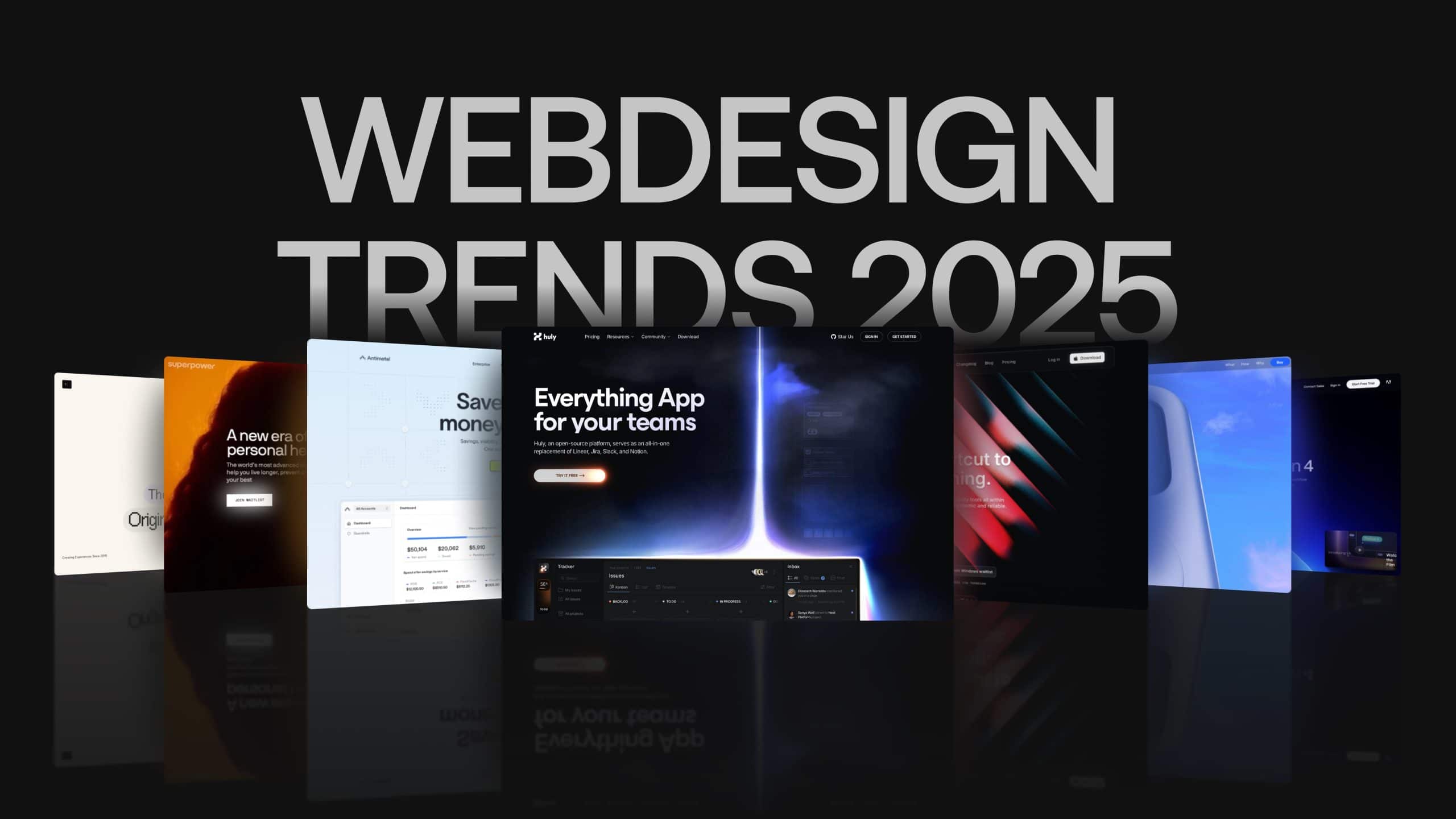
Web Design Trends Australia 2025: Latest Website Development Innovations
Australia’s digital landscape is evolving at breakneck speed, with 2025 bringing revolutionary changes to how websites are designed, developed, and experienced. The latest web design trends encompass AI integration, AR experiences, 3D visuals, and eco-friendly design approaches that are transforming user expectations across all industries.
Australian businesses are increasingly recognising that their websites must do more than simply exist online – they need to create memorable experiences that convert visitors into customers. This shift has driven innovation in user interface design, functionality integration, and performance optimisation that sets new standards for digital presence.
Understanding and implementing these trends isn’t just about staying current; it’s about gaining competitive advantages that drive real business results. This comprehensive guide explores the most impactful web design trends shaping Australia’s digital future in 2025.
AI-Powered Personalisation and User Experience
Artificial intelligence has moved from experimental technology to essential tool in modern web design. Australian websites are leveraging AI to create personalised experiences that adapt to individual user preferences, behaviour patterns, and interaction history.
Dynamic content personalisation allows websites to automatically adjust messaging, product recommendations, and navigation paths based on user data. This technology analyses visitor behaviour in real-time, presenting the most relevant content to increase engagement and conversion rates.
Chatbots and AI assistants have evolved beyond simple question-answering tools to become sophisticated customer service representatives. Modern implementations can handle complex enquiries, process transactions, and provide personalised recommendations while maintaining natural conversation flows that feel genuinely helpful rather than robotic.
AI-driven personalisation and data visualisation are becoming standard expectations rather than premium features. Australian businesses implementing these technologies report significant improvements in user engagement, time on site, and conversion rates across diverse industry sectors.
Predictive analytics integration helps websites anticipate user needs before they’re explicitly stated. This proactive approach enhances user satisfaction while reducing friction in customer journey pathways that might otherwise result in abandonment.

Key AI Implementation Strategies:
- Personalised product or service recommendations based on browsing history
- Dynamic content adaptation for different user segments
- Automated customer support with seamless human handoff capabilities
- Predictive search functionality that anticipates user queries
- Intelligent form completion that reduces user input requirements
- Behavioural analysis for continuous UX improvement
Immersive Technologies: AR and VR Integration
Augmented reality and virtual reality technologies are transitioning from novelty features to practical business tools that solve real problems for Australian companies and their customers.
AR product visualisation allows customers to see how products will look in their actual environments before making purchase decisions. Furniture retailers, home improvement companies, and fashion brands are particularly benefiting from this technology’s ability to reduce return rates while increasing customer confidence.
Virtual showrooms and property tours have become essential tools for Australian real estate, automotive, and retail industries. These immersive experiences allow customers to explore spaces and products remotely while maintaining the detailed inspection capabilities traditionally requiring in-person visits.
WebXR technology makes these immersive experiences accessible through standard web browsers without requiring special applications or downloads. This accessibility breakthrough means Australian businesses can implement AR and VR features that reach broader audiences while maintaining seamless user experiences.
Interactive 3D models provide engaging ways to showcase complex products or services that benefit from detailed exploration. Engineering firms, architectural practices, and manufacturing companies use these tools to communicate intricate details that static images cannot effectively convey.
Sustainable and Eco-Friendly Design Practices

Environmental consciousness is driving significant changes in web design philosophy, with Australian businesses increasingly prioritising sustainable digital practices that reduce environmental impact while improving performance.
Green hosting solutions powered by renewable energy sources are becoming standard choices for environmentally conscious Australian businesses. These hosting options often provide superior performance while supporting sustainability goals that resonate with environmentally aware customers.
Optimised code and efficient resource usage reduce server load and energy consumption while improving website speed and user experience. This dual benefit makes sustainable development practices attractive from both environmental and business performance perspectives.
Eco-friendly and sustainable design practices extend beyond hosting choices to include minimalist design approaches that reduce data transfer requirements. Clean, streamlined designs often perform better while consuming fewer resources throughout the user experience.
Carbon footprint tracking tools help Australian businesses understand and optimise their websites’ environmental impact. These measurements guide design decisions that balance functionality with sustainability goals.
Sustainable Web Design Elements:
- Minimalist design approaches that reduce resource consumption
- Optimised image compression and efficient file formats
- Clean, semantic code that improves loading speed
- Renewable energy hosting solutions
- Reduced animation and effect usage where appropriate
- Strategic colour choices that consume less device battery power
Advanced Typography and Visual Hierarchy
Typography trends in 2025 emphasise readability, accessibility, and brand differentiation through creative yet functional font choices and layout approaches.
Variable fonts provide flexibility in weight, width, and style without requiring multiple font file downloads. This technology improves loading speeds while offering designers greater creative control over text presentation across different devices and screen sizes.
Custom typography solutions help Australian brands establish unique visual identities that differentiate them from competitors using standard web fonts. These bespoke typefaces create memorable brand experiences while maintaining excellent readability across all devices.
Improved accessibility standards drive typography choices that work effectively for users with visual impairments, reading difficulties, or other accessibility needs. Compliance with WCAG guidelines ensures websites serve broader audiences while often improving overall user experience.
Dynamic typography systems adapt text size, spacing, and layout based on device capabilities, user preferences, and content context. This responsive approach ensures optimal readability regardless of how users access website content.
Interactive Animations and Micro-Interactions
Well-designed animations and micro-interactions guide user attention, provide feedback, and create engaging experiences that encourage deeper website exploration and interaction.
Purposeful animations serve specific functions rather than existing purely for visual appeal. Loading animations, transition effects, and hover responses help users understand interface behaviour while making interactions feel smooth and responsive.
Parallax scrolling effects create depth and visual interest when implemented thoughtfully. Modern parallax designs prioritise performance and accessibility while creating immersive experiences that showcase content effectively.
Micro-interactions provide immediate feedback for user actions, confirming successful form submissions, button presses, and navigation choices. These subtle details significantly impact perceived website quality and user satisfaction.
Performance-optimised animations ensure smooth experiences across all devices and connection speeds. Australian web developers are prioritising CSS animations and efficient JavaScript implementations that maintain functionality without compromising loading times.
Effective Animation Guidelines:
- Purpose-driven animations that enhance rather than distract from content
- Performance testing across various devices and connection speeds
- Accessibility considerations for users with motion sensitivity
- Subtle feedback systems that confirm user actions
- Loading animations that manage user expectations during wait times
- Smooth transitions between pages and interface states
Mobile-First and Progressive Web App Development
Australia’s mobile-first internet usage patterns continue driving design decisions that prioritise smartphone and tablet experiences while ensuring desktop functionality remains excellent.
Progressive Web App (PWA) technology bridges the gap between websites and native mobile applications, offering app-like functionality through web browsers. Australian businesses implementing PWAs report improved user engagement and reduced development costs compared to maintaining separate native applications.
Advanced mobile navigation systems adapt to touch interfaces while providing efficient access to all website functionality. These systems often employ innovative approaches like gesture-based controls, voice navigation integration, and contextual menu systems.
Offline functionality ensures users can access essential website features even when internet connections are unreliable. This capability is particularly valuable for Australian businesses serving customers in regional areas or users with limited data plans.
App-like features including push notifications, background synchronisation, and home screen installation create engaging user experiences that encourage repeat visits and deeper brand engagement.
Dark Mode and Adaptive Interface Design
Dark mode implementation has evolved from trendy option to user expectation, with Australian websites increasingly offering sophisticated dark theme alternatives that maintain full functionality and visual appeal.
Automatic theme switching responds to user device settings, time of day, or manual preferences while ensuring consistent branding and usability across different appearance modes. This adaptability demonstrates attention to user preferences that enhances overall satisfaction.
Colour palette strategies for dark mode require careful consideration of contrast ratios, accessibility compliance, and brand consistency. Successful implementations maintain visual hierarchy and readability while creating distinctly different aesthetic experiences.
System integration allows websites to respond to user device preferences automatically, creating seamless experiences that feel native to individual user setups. This integration extends to other system preferences including reduced motion settings and high contrast modes.
Battery optimisation benefits of dark mode interfaces provide practical advantages for mobile users while supporting sustainability goals through reduced energy consumption.
Advanced SEO Integration and Core Web Vitals
Modern web design inherently incorporates search engine optimisation principles and performance metrics that directly impact visibility and user experience quality.
Core Web Vitals optimisation has become fundamental to web design success, with loading speed, interactivity, and visual stability directly affecting search rankings and user satisfaction. Australian businesses prioritising these metrics report improved organic search performance and reduced bounce rates.
Technical SEO integration ensures website architecture supports search engine crawling and indexing while providing clear information hierarchy for both users and search algorithms. This includes proper heading structures, meta data optimisation, and semantic markup implementation.
Local SEO considerations are particularly important for Australian businesses serving specific geographic regions. Design elements that support local search include location-specific content organisation, Google My Business integration, and region-specific user experience customisation.
Performance monitoring tools provide ongoing insights into website speed, user behaviour, and search engine performance. These analytics guide continuous optimisation efforts that maintain competitive advantages.
Technical SEO Design Elements:
- Clean URL structures that support content hierarchy
- Optimised image alt text and file naming conventions
- Structured data markup for enhanced search result display
- XML sitemap integration and search console connectivity
- Page speed optimisation through efficient coding practices
- Mobile-friendly design that passes Google’s mobile usability tests
Voice Search and Conversational Interface Design
Voice interaction capabilities are increasingly important as smart speakers, mobile voice assistants, and accessibility requirements drive demand for hands-free website navigation.
Voice search optimisation influences content structure, keyword targeting, and information organisation to support natural language queries that differ significantly from traditional text-based searches. Australian businesses optimising for voice search report improved local discovery and customer engagement.
Conversational UI elements create more natural interaction patterns that feel intuitive for users accustomed to voice assistants and messaging applications. These interfaces often employ natural language processing to understand user intent even when expressed informally.
Accessibility benefits of voice interfaces extend beyond convenience to provide essential functionality for users with mobility limitations, visual impairments, or other accessibility needs that make traditional navigation challenging.
Integration with smart home devices and automotive systems expands website accessibility through voice commands, creating touchpoints that extend brand interaction beyond traditional computer and mobile device usage.
Data Visualisation and Interactive Content
Complex information presentation through interactive charts, graphs, and multimedia elements helps Australian businesses communicate value propositions, research findings, and product benefits more effectively than traditional text-based content.
Interactive infographics engage users while presenting detailed information in digestible formats. These tools are particularly effective for educational content, statistical presentations, and complex process explanations that benefit from visual representation.
Real-time data integration allows websites to display current information including stock levels, pricing updates, weather conditions, or social media feeds that maintain content freshness without manual updates.
Gamification elements encourage user engagement through interactive quizzes, calculators, and tools that provide personalised results while collecting valuable customer data for marketing purposes.
User-generated content integration showcases customer experiences, reviews, and social proof through dynamic displays that update automatically while maintaining design consistency.
Conclusion
Australia’s web design landscape in 2025 reflects broader technological advancement and changing user expectations that demand more sophisticated, personalised, and sustainable digital experiences. Successful implementation of these trends requires balancing innovation with practical functionality that serves genuine business objectives.
The most effective approach involves selective adoption of trends that align with specific business goals and target audience needs rather than implementing every available innovation. This strategic approach ensures that design investments deliver measurable returns while creating genuinely improved user experiences.
Staying current with design trends while maintaining focus on fundamental principles like usability, accessibility, and performance creates websites that not only look contemporary but also function effectively for diverse user needs and business requirements.
Australian businesses that thoughtfully implement these design trends while maintaining strong foundations in user experience and technical excellence position themselves for continued success in an increasingly competitive digital marketplace.

SEO Strategies Australia 2025: Advanced Search Engine Optimisation Tips
Search engine optimisation in Australia has evolved dramatically, with 2025 bringing sophisticated strategies that go far beyond traditional keyword targeting and link building. Australian businesses are investing significantly more in SEO, with spending expected to increase by 12% from 2024, and small businesses allocating an average of $1,200 per month for SEO services.
The Australian digital landscape presents unique challenges and opportunities that require localised SEO approaches. From Google’s algorithm updates to changing user search behaviours, successful SEO strategies must adapt to both global trends and local market conditions that influence how Australian consumers discover and interact with businesses online.
Understanding advanced SEO techniques isn’t optional for competitive Australian businesses – it’s essential for maintaining visibility, attracting qualified traffic, and converting visitors into customers. This comprehensive guide explores cutting-edge SEO strategies specifically designed for Australian market success in 2025.
Local SEO Mastery for Australian Businesses
Local search optimisation remains crucial for Australian businesses, particularly as mobile search continues dominating user behaviour patterns. Effective local SEO strategies must address Australia’s unique geographic challenges, population distribution, and competitive landscape factors.

Google My Business optimisation forms the foundation of successful local SEO campaigns. Complete profiles with accurate information, high-quality photos, regular posts, and active review management significantly improve local search visibility. Australian businesses maintaining active GMB profiles report substantially higher local discovery rates.
Location-specific content creation helps businesses capture searches related to Australian cities, suburbs, and regions. This approach requires understanding local search intent, competition levels, and user behaviour patterns that vary significantly across different Australian locations.
Citation building across Australian directories, industry associations, and local publications creates authority signals that improve local search rankings. Consistency in business information across all platforms remains essential for maintaining credibility with search engines and potential customers.
Review management strategies encourage positive customer feedback while addressing negative reviews professionally and promptly. Australian consumers increasingly rely on online reviews for local business decisions, making reputation management integral to SEO success.
Local SEO Implementation Checklist:
- Optimised Google My Business profile with complete, current information
- Consistent NAP (Name, Address, Phone) data across all online listings
- Location-specific content targeting Australian cities and regions
- Local keyword integration in meta titles, descriptions, and content
- Customer review acquisition and professional response strategies
- Local backlink building from Australian websites and directories
AI and Machine Learning Integration

Artificial intelligence is revolutionising search engine algorithms, requiring SEO strategies that understand and leverage machine learning capabilities for improved performance.
Content optimisation using AI insights helps identify opportunities for improved search visibility through data analysis that exceeds human capability. AI tools analyse competitor content, search trends, and user behaviour to recommend content improvements that drive measurable results.
Search intent analysis powered by machine learning provides deeper understanding of what users actually want when they enter specific queries. This insight enables content creation that better matches user expectations, improving both search rankings and user satisfaction.
Automated technical SEO monitoring identifies issues and opportunities that might otherwise go unnoticed. These systems continuously analyse website performance, identifying problems that could impact search visibility before they affect rankings or user experience.
Predictive SEO analytics help Australian businesses anticipate search trend changes, seasonal fluctuations, and emerging opportunities that allow for proactive optimisation rather than reactive responses to algorithm updates or market changes.
Content Strategy Evolution and E-A-T Principles
Businesses with documented content strategies see 3x higher ROI compared to those without structured approaches, making comprehensive content planning essential for SEO success in competitive Australian markets.
Expertise, Authoritativeness, and Trustworthiness (E-A-T) have become fundamental ranking factors that require strategic approach to content creation, author credentials, and website authority building. Australian businesses must demonstrate genuine expertise through high-quality content, credible authorship, and transparent business practices.
Long-form content continues performing well in search results, with content exceeding 1,500 words generating 2x more engagement than shorter alternatives. However, length alone isn’t sufficient – content must provide comprehensive value that thoroughly addresses user questions and needs.
Topic clustering strategies organise content around central themes, creating comprehensive resource hubs that demonstrate expertise while improving internal linking and user experience. This approach helps Australian businesses establish authority in specific subject areas.
Featured snippet optimisation targets position zero results through structured content that directly answers common questions. Australian businesses successfully capturing featured snippets report significant increases in organic traffic and brand visibility.
Content Excellence Framework:
- Comprehensive topic coverage that addresses all related user questions
- Expert authorship with clear credentials and experience demonstration
- Regular content updates that maintain accuracy and relevance
- Structured data markup that enhances search result presentation
- User-focused writing that prioritises clarity and practical value
- Geographic relevance for Australian audiences and search contexts
Technical SEO and Core Web Vitals Optimisation
Technical SEO foundation determines whether content optimisation efforts can achieve their full potential. Poor technical implementation undermines even excellent content strategies.
Core Web Vitals performance directly impacts search rankings and user experience. Australian websites must optimise loading speed, interactivity, and visual stability to maintain competitive search positions while providing superior user experiences.
Mobile-first indexing requires websites that perform excellently on smartphones and tablets. Given Australia’s mobile-heavy internet usage patterns, mobile optimisation isn’t optional – it’s fundamental to SEO success.
Structured data implementation helps search engines understand content context while enabling rich result features that improve click-through rates. Proper schema markup can significantly enhance search result presentation and user engagement.
Site architecture optimisation ensures search engines can efficiently crawl and index content while providing logical user navigation paths. This includes URL structure, internal linking, and XML sitemap optimisation that supports both search engines and user experience.
Advanced Keyword Research and Search Intent Analysis
Modern keyword research extends far beyond search volume and competition analysis to include user intent understanding, conversion potential assessment, and long-term strategic value evaluation.
Semantic keyword clustering groups related terms and phrases that search engines associate with core topics. This approach enables content creation that comprehensively covers subjects while naturally incorporating diverse keyword variations that improve search visibility.
Long-tail keyword opportunities often provide better conversion rates than high-volume generic terms. Australian businesses focusing on specific, detailed queries frequently achieve better ROI than those competing for broad, highly competitive keywords.
Competitor keyword gap analysis identifies opportunities where competitors rank well but your content doesn’t appear. This analysis reveals content creation opportunities that could capture qualified traffic currently going to competitors.
Search trend analysis helps predict seasonal patterns, emerging topics, and declining interest areas that inform content planning and optimisation priorities. Understanding Australian-specific search patterns provides competitive advantages in local markets.
Keyword Strategy Framework:
- Primary keyword selection based on relevance, competition, and conversion potential
- Long-tail keyword integration that captures specific user queries
- Semantic keyword clustering that demonstrates topic authority
- Geographic keyword targeting for Australian locations and audiences
- Competitor analysis that identifies content and ranking opportunities
- Search intent alignment that matches content to user expectations
Link Building and Digital PR Strategies
Quality backlink acquisition remains crucial for SEO success, but strategies have evolved to emphasise relationship building, content marketing, and genuine value creation over manipulative tactics.
Digital PR campaigns create newsworthy content that attracts natural backlinks from Australian media outlets, industry publications, and relevant websites. These campaigns often generate multiple benefits including brand awareness, social media engagement, and high-quality link acquisition.
Resource page outreach identifies websites that curate helpful content for their audiences. Creating genuinely valuable resources that deserve inclusion on these pages provides sustainable link building opportunities that benefit both parties.
Industry partnership development creates natural linking opportunities through collaboration, guest content creation, and mutual promotion that supports long-term relationship building rather than transactional link exchanges.
Content-driven link attraction focuses on creating resources so valuable that other websites naturally want to reference and link to them. This approach requires significant content investment but generates sustainable, high-quality backlinks.
Voice Search and Conversational Query Optimisation
Voice search behaviour differs significantly from text-based queries, requiring optimisation strategies that account for natural language patterns and conversational search intent.
Question-based content optimisation targets the types of queries people speak aloud rather than type. These queries tend to be longer, more conversational, and often begin with question words like “how,” “what,” “where,” and “why.”
Local voice search integration captures queries like “near me” searches and location-specific questions that are particularly common in voice search usage. Australian businesses optimising for local voice search often see improved mobile discovery and foot traffic.
FAQ section development directly addresses common voice queries while providing structured content that search engines can easily extract for voice search results. These sections also improve overall user experience and website engagement.
Featured snippet targeting becomes more important for voice search since many voice assistants read featured snippet content as answers to user queries. Optimising for position zero can significantly increase voice search visibility.
Video SEO and Multimedia Content Optimisation
Video content accounts for 64% of all content consumed by Australians, making video SEO essential for comprehensive optimisation strategies that capture all traffic opportunities.
YouTube optimisation treats the platform as a search engine requiring specific strategies for title optimisation, description writing, tag selection, and thumbnail design that encourage both discovery and engagement.
Video content integration in websites improves user engagement while providing additional optimisation opportunities through transcripts, captions, and structured data markup that helps search engines understand video content.
Multimedia content variety including images, infographics, podcasts, and interactive elements provides diverse ways to engage users while creating additional optimisation opportunities for different search result types.
Technical video optimisation includes proper file formats, loading optimisation, and mobile compatibility that ensures video content enhances rather than hinders website performance and user experience.
Video SEO Implementation:
- Optimised video titles and descriptions with relevant keywords
- Video transcripts and captions for accessibility and SEO benefits
- Video sitemaps that help search engines discover and index content
- Thumbnail optimisation that improves click-through rates
- Strategic video placement that enhances user experience
- Cross-platform promotion that maximises content reach
Performance Monitoring and Analytics Integration
Effective SEO requires continuous monitoring, analysis, and adjustment based on performance data and changing market conditions.
Advanced analytics setup goes beyond basic Google Analytics to include search console data, ranking monitoring, technical SEO tracking, and conversion analysis that provides comprehensive performance insights.
ROI measurement connects SEO efforts to business results through conversion tracking, revenue attribution, and customer lifetime value analysis that demonstrates SEO investment returns and guides strategy decisions.
Competitor monitoring tracks rival performance, identifies emerging threats, and reveals opportunities for improvement through comparative analysis that informs strategic planning and tactical adjustments.
Regular SEO audits identify technical issues, content opportunities, and optimisation potential that might otherwise go unnoticed while ensuring ongoing performance maintenance and improvement.
Algorithm Update Adaptation and Future-Proofing
Google’s algorithm updates continue affecting search rankings, requiring strategies that adapt to changes while maintaining long-term optimisation effectiveness.
Update monitoring and analysis helps understand how algorithm changes affect specific websites and industries, enabling proactive responses rather than reactive scrambling after ranking drops occur.
Diversified traffic strategies reduce dependence on organic search alone through integration with social media, email marketing, paid advertising, and other channels that provide multiple paths to website discovery.
Quality-focused optimisation emphasises creating genuinely valuable user experiences rather than attempting to manipulate search algorithms. This approach provides better long-term sustainability and alignment with search engine quality guidelines.
Continuous learning and adaptation ensure SEO strategies evolve with changing technology, user behaviour, and search engine capabilities rather than becoming outdated and ineffective over time.
Conclusion
SEO success in Australia’s competitive digital landscape requires sophisticated strategies that go well beyond basic optimisation techniques. The combination of technical excellence, high-quality content creation, strategic link building, and local market understanding creates sustainable competitive advantages.
The key to long-term SEO success lies in balancing current best practices with future-focused strategies that anticipate continued evolution in search technology and user behaviour. This approach ensures that optimisation investments continue delivering results even as the digital landscape changes.
Australian businesses that commit to comprehensive, strategic SEO approaches while maintaining focus on user value and technical excellence position themselves for continued success in an increasingly competitive online environment where visibility directly impacts business growth and profitability.
Implementing these advanced SEO strategies requires time, expertise, and consistent effort, but the results justify the investment through improved search visibility, qualified traffic increases, and measurable business growth that supports long-term success in Australia’s digital marketplace.